
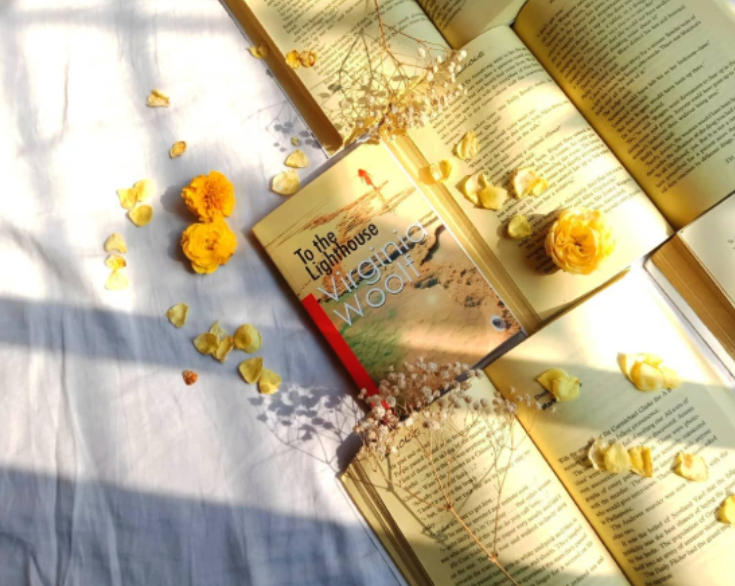
Virginia Woolf’s “To the Lighthouse” isn’t a book you rush through; it’s a book you sink into. It’s a deep dive into what it means to be alive, to remember, and to deal with loss. While it’s known for being a major work of modernist literature, you don’t need a literature degree to appreciate its profound emotional power.
The book’s structure is fascinating and a big part of its charm. The first section takes its sweet time, describing a single day in meticulous detail. This might feel slow at first, but it’s exactly what gives you such incredible insight into the characters. By focusing on a moment, Woolf lets you eavesdrop on everyone’s thoughts and feelings, making you feel like you’ve known the Ramsay family forever after just a few pages.
Then, there’s a short, powerful middle section that skips over a decade. This sudden jump highlights how quickly major life changes and losses can happen, often without warning, even while the world itself keeps turning. It beautifully shows the difference between the clock’s time and the heart’s time.
The final section returns to the family years later, covering another single day. This structure makes the smallest moments of connection and the quietest thoughts feel as important as any major life event.
As Woolf writes, the big answer about life “had never come. Instead there were little daily miracles, illuminations, matches struck unexpectedly in the dark; here was one.”
At the heart of the story is Mrs. Ramsay, who is a truly unforgettable character. She’s the sun the family revolves around, the one who quietly works to keep everyone together. Woolf powerfully shows the enormous, often thankless, role women play in maintaining family harmony and emotional life.
Mrs. Ramsay is constantly knitting, hosting, comforting her intellectual husband, and trying to orchestrate happiness for her children and guests. Her efforts to bring people together and find meaning in the everyday are shown as a kind of creative genius. She’s the one who makes a chaotic group of people feel like a coherent family, creating moments of lasting joy and unity. Her influence is so great that her presence (and later, her absence) is the force that shapes every other character’s journey.
Her goal, as the author notes, was often to make “of the moment something permanent,” creating lasting memories and stability for those she loved.
This book is a deeply rewarding experience. If you stick with the initial slow pace, you’ll find yourself completely absorbed and left with a feeling of deep satisfaction at the end. It’s a classic for a reason!